The listing photo showed a standard thing: a small titanium folder on its magnet-sealed box, a serial number on the blade, a hand-signed certificate of authenticity beside it. What made the r/knives thread move was the price. An Oz Machine Co Roosevelt had just sold at auction for $6,000, and u/zircuti_pomelo, who opened the thread, admitted that even as someone fond of the Roosevelt and no stranger to four-figure knives, the number was unthinkable.
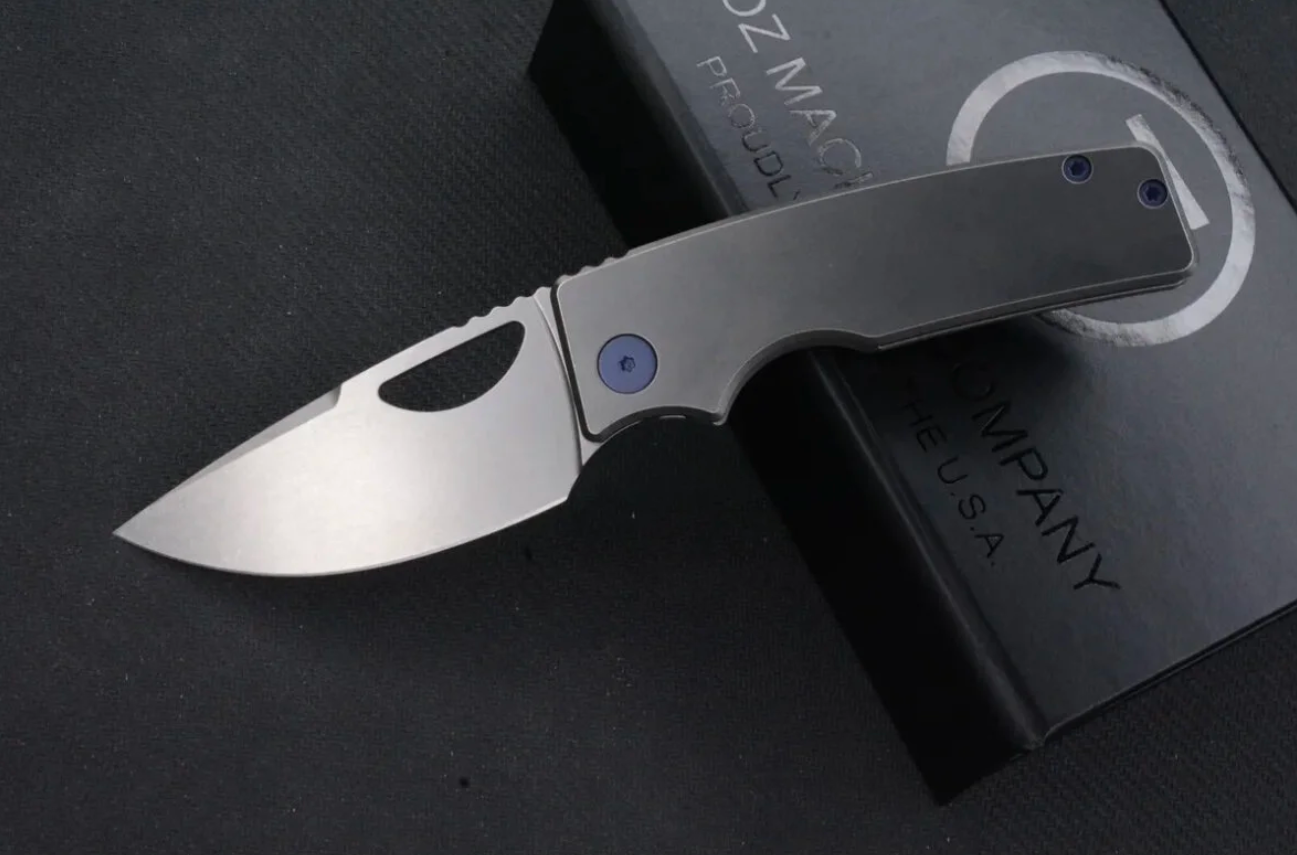
The Roosevelt is the only knife Oz Machine Co makes, out of a small shop in Indiana run by Daniel Osborne, with his brother joining in 2021. Every component is made in house, down to the grade 5 titanium screws and the ceramic ball bearings that ride in Delrin cages. The blade runs 2.9 inches in LC200N, sold by some dealers under the Z-FiNit name, with CPM MagnaCut versions in the mix, heat treated by Peters Heat Treating. A frame lock closes the package and the whole knife weighs 2.96 ounces.
Retail is $700. That price has not moved, but getting one at retail has become the hard part. Oz sells through lottery drops that have sold out within a day for more than a year, and reviewers who have handled the knife consistently describe secondary pricing in the four figures. GearJunkie called it "the trendiest knife on Earth" in a recent review and noted the shop cannot scale output without giving up the hand-finishing that drives the demand.
Why eight and a half times retail
That is the gap the auction closed. A $700 knife selling for $6,000 is roughly eight and a half times retail, and the thread's reactions were not outraged, they were resigned. Commenters in the thread treated the number as the market speaking: supply that never catches up, one model, no shortcuts in production.
The auction also lands at an interesting moment. Oz has been moving from bespoke one-offs toward larger production batches, which has put more Roosevelts into circulation without ending the waitlists. If anything, the wider batches have sharpened the premium on early runs and rare configurations rather than softening it.
For anyone tracking the secondary market, the data point is simple. The knife is good. The queue is longer.