"Pleasing yourself is better than pleasing others." The organizers of the 2026 Beijing International Knife Show used that line, 取悦他人不如取悦自己, to summarize the "he economy" idea behind the event. It is an unusual opening statement for a knife show, and it explains almost everything else about the format.
A conventional trade show assumes a buyer comparing specifications and prices. This one assumed a visitor building an identity through objects. Knife culture was the central thread, but the announcement listed EDC gear, outdoor equipment, artisanal accessories, specimen fossils, specialty coffee, handcrafted leather goods and designer toys alongside it. Those categories share a consumer more than they share a supply chain, which is precisely the point of calling the result a pan-trend ecosystem rather than an exhibition.
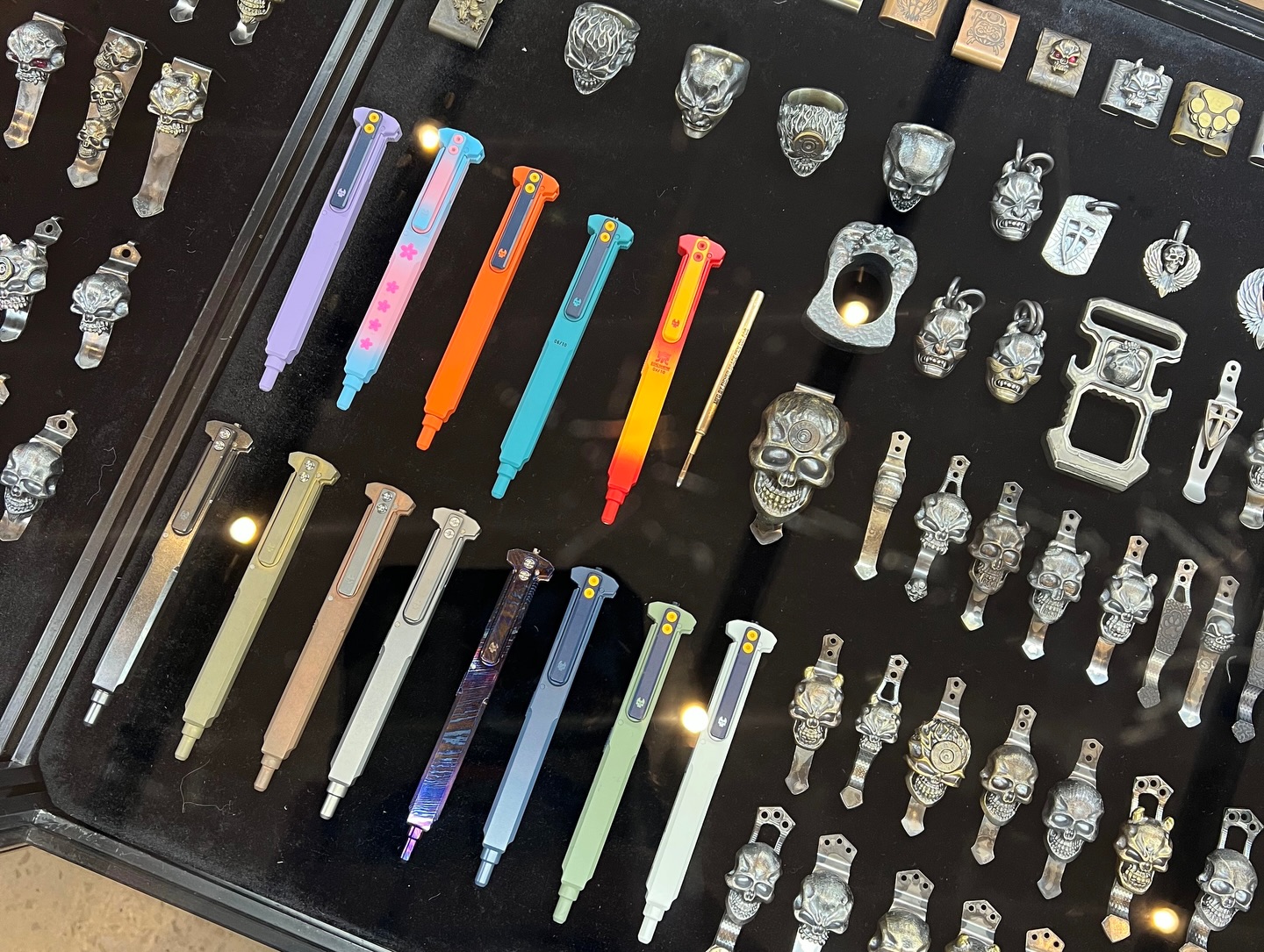
The word "hardcore" in the festival's title is part of the same positioning. Organizers described an annual hardcore celebration combining professionalism, cultural depth and social value, aimed at an audience that treats gear, craft objects and collectibles as a form of self-expression. A display case of EDC pens and handcrafted silver accessories photographed at the show fits that framing better than a row of factory booths would.
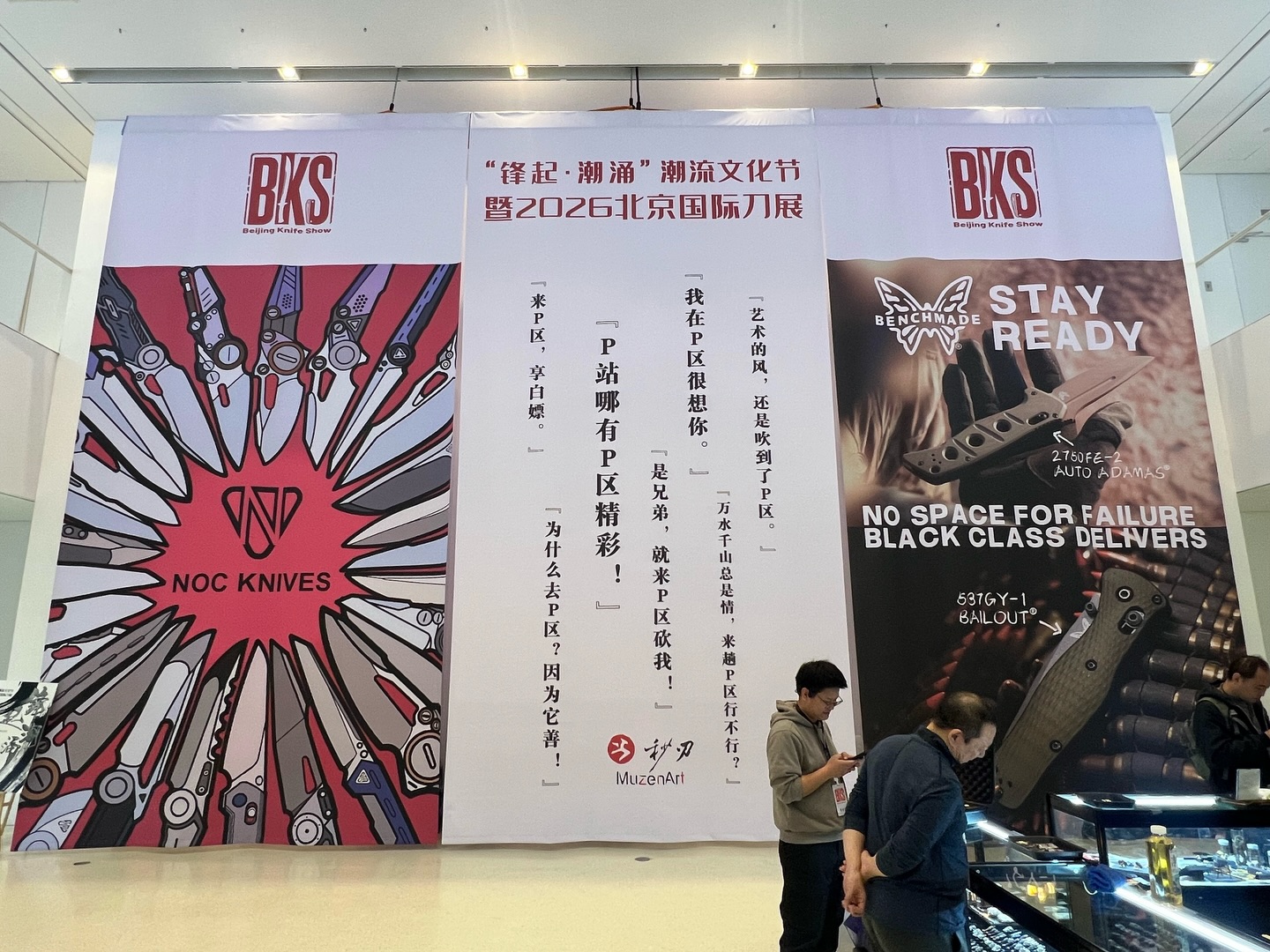
The philosophy also shapes what counts as a successful visit. If the draw is self-expression rather than procurement, then time spent at a specialty coffee stand or a designer toy table is not a distraction from the show, it is the show. The organizers promised professional guided tours, efficient traffic flow and diverse interactive segments to hold that broader audience together across three days in January.
There is a business calculation underneath the language. A show built around lifestyle can reach people who would never travel to a specialist knife event, and it gives brands a way to present a knife as one object within a wider set of tastes. That widens the top of the funnel without requiring the visitor to already be a collector.
The format also raises an editorial question that the announcement does not address: how a show keeps its knife credibility while broadening into coffee, fossils and designer toys. The organizers leaned on the phrase "hardcore" to hold the whole thing together, and on guided tours to lead visitors through it. Whether that framing survives a second edition depends on the exhibitor list, which has not been published. A consumer philosophy can open a door, but the objects in the room decide whether people come back.
Ticket reservations were directed through official channels, and the show ran 10:00 to 18:00 across three days with VIP entry at 09:00. Those hours leave room for the guided tours and interactive segments the organizers promised, and they suit a format built around lingering rather than a fast pass through a sales aisle. The absence of published attendance or sales figures means the lifestyle pitch remains a hypothesis about an audience rather than a measured result.
Whether that audience converts into a durable knife-collecting base is a different question, and the January event published no attendance, exhibitor or sales figures in the materials available. A consumer philosophy is a positioning choice, not a result. Anyone treating the "he economy" framing as evidence of a proven market should wait for the numbers rather than the slogan.